- South Sound Report
- Posts
- 🌊 Major Capitol Lake Restoration Project Advances
🌊 Major Capitol Lake Restoration Project Advances

Aaron Thomas
January 07, 2026
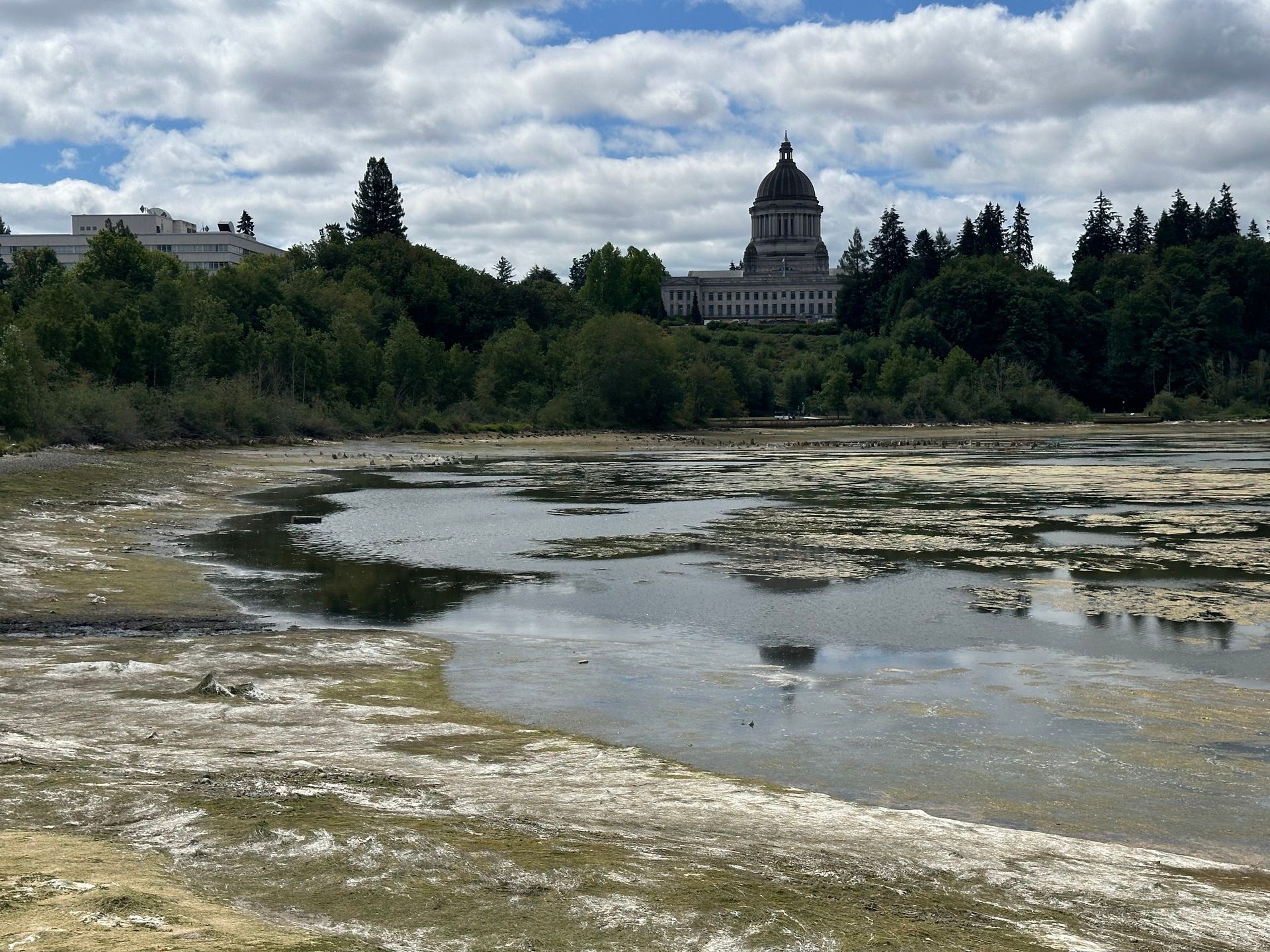
The Washington State Department of Ecology is moving forward with its plan to restore Capitol Lake back into a natural estuary — reconnecting it to the Deschutes River and Budd Inlet.
The effort will:
Remove the existing dam and tide gate
Restore tidal flow to the estuary
Improve flood protection for downtown
Support salmon habitat and biodiversity
Boost climate resilience for the region
💸 Estimated Cost: $416 million
🛠️ Design Milestone: 60% complete by end of 2025
While construction is still a few years away, this is one of the largest environmental restoration efforts in South Sound history.
🌱 Why It Matters
The transformation of Capitol Lake has been debated for decades. Now, state officials say the momentum is real — with firm timelines, completed studies, and community input shaping the next steps.
When finished, the estuary is expected to support healthier ecosystems, reduce harmful algae blooms, and reduce long-term maintenance costs associated with dredging.
📍 Context for Locals
Capitol Lake was originally created in the 1950s by damming the Deschutes River. While it served as a scenic feature for the Capitol Campus, it also disrupted natural water flow, created water quality issues, and blocked fish passage.
This project would return the area to its pre-dam state, creating a more natural tidal estuary that reflects the landscape of Olympia’s original shoreline.
